


Retail
The Busiest Day Is the Easiest to Hide an Attack
Retail sits at an uncomfortable intersection. More customer payment data flows through more digital surfaces than almost any other industry, and the average breach cost has climbed to $3.54 million (up 18% in a single year). The threats have shifted with the shopping experience. Magecart-style skimming attacks (malicious code injected directly into checkout pages) remain one of the most persistent risks in e-commerce, serious enough that the PCI Council made new script-monitoring requirements mandatory in 2025 specifically to catch it. Credential stuffing and account takeover now drive a large share of retail web attacks, point-of-sale malware still accounts for a significant share of physical-channel breaches, and with thousands of seasonal employees rotating through POS and helpdesk access every year, retail runs one of the highest-turnover identity environments of any sector. The stakes are simple. Customers don’t distinguish between “we got hacked” and “we lost your card number.” It’s the same sentence to them either way.
Retail environments grow quickly, and security doesn’t always keep pace. The areas we investigate first include:
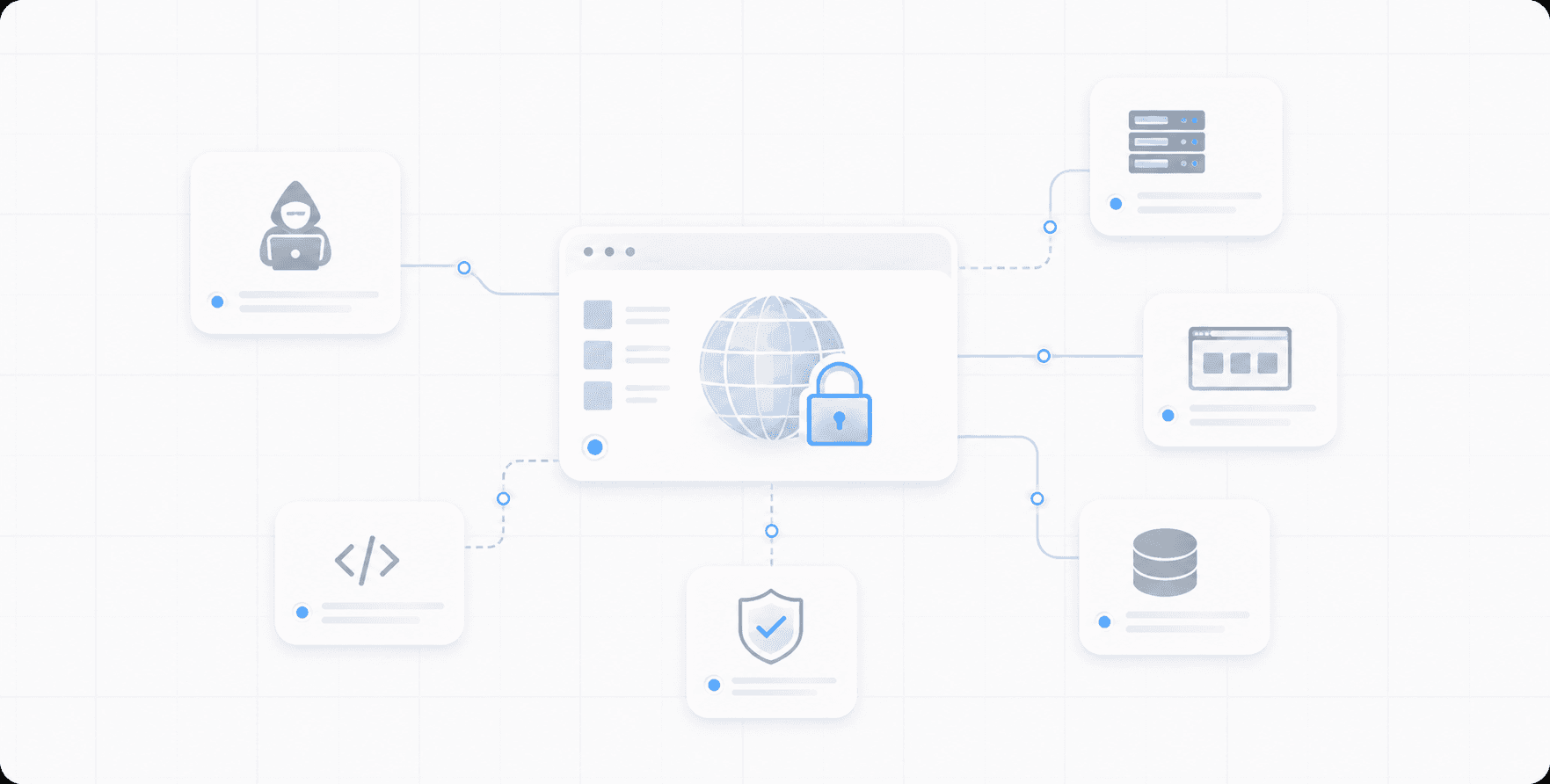
Ecommerce penetration testing focuses on your customer-facing web and mobile applications to identify vulnerabilities that lead to breaches. These may include authentication weaknesses enabling account takeover, checkout and payment flow logic flaws, and exposure in the APIs behind your loyalty and mobile experience.
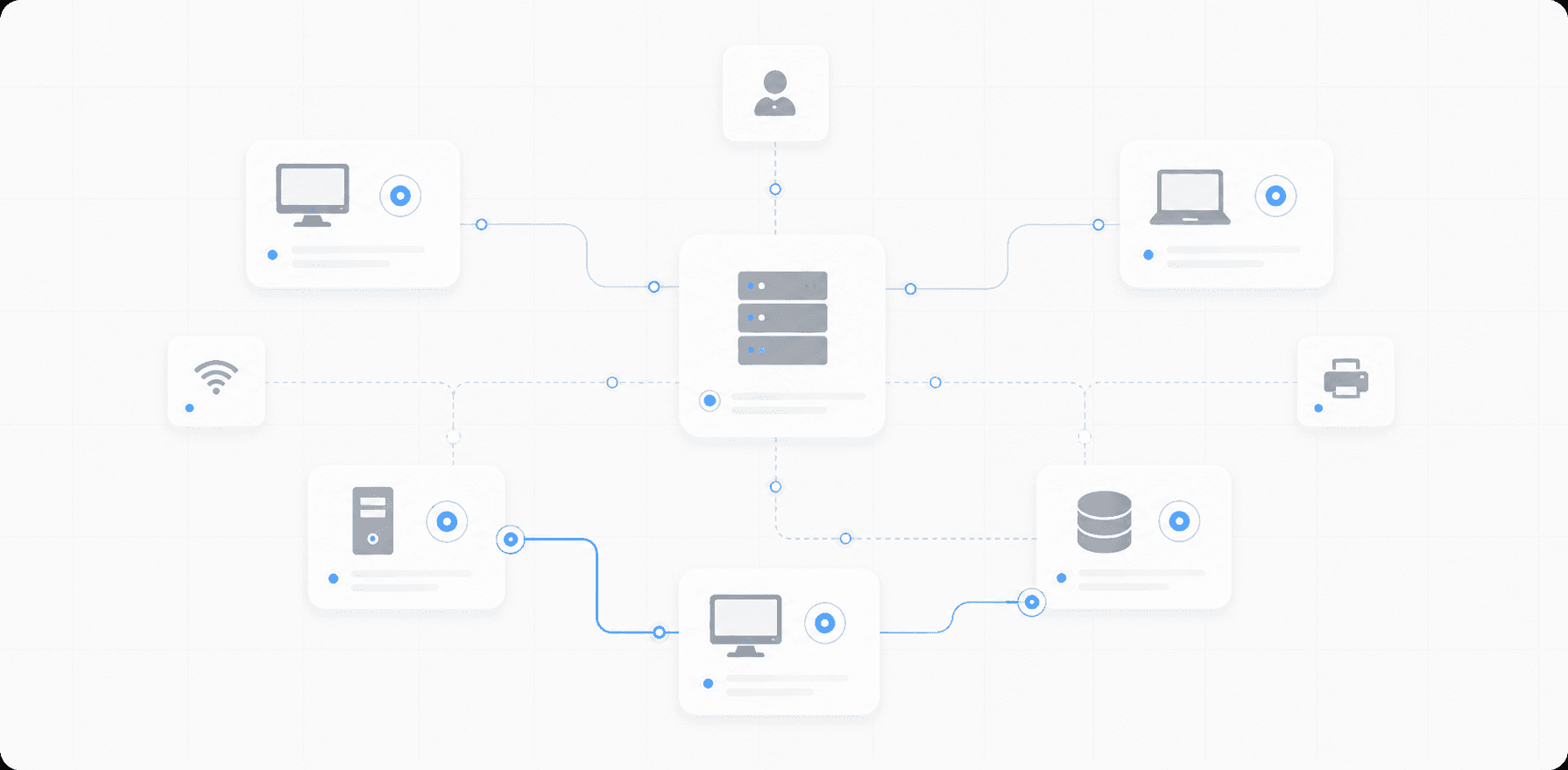
We also assess point-of-sale systems and the network segmentation protecting them (where required). Plus, we specifically test payment page integrity against the kind of script-injection techniques behind Magecart-style skimming attacks, since that’s now an explicit, mandatory requirement under PCI DSS 4.0.1.
PCI DSS governs almost everything in retail that touches a card number, and the standard got sharper. New requirements now mandate that every script running on your payment pages is authorized, inventoried, and monitored for tampering. We test against those exact requirements directly, alongside broader frameworks like GDPR or CCPA if you handle customer data across those jurisdictions.




Protect the experience your customers came for. We’ll help with the rest.
FAQs
Does this cover our e-commerce site and our physical POS systems?
Our system combines speed, flexibility, and powerful automation tools into one seamless workflow designed for modern teams.
We use several third-party scripts and plugins on our site; are those covered?
Our system combines speed, flexibility, and powerful automation tools into one seamless workflow designed for modern teams.
Can testing be scheduled around peak shopping seasons?
Our system combines speed, flexibility, and powerful automation tools into one seamless workflow designed for modern teams.
We have a lot of seasonal staff turnover; does that matter for this kind of testing?
Our system combines speed, flexibility, and powerful automation tools into one seamless workflow designed for modern teams.