


Healthcare
Patient Care Can’t Wait for a Cyberattack to End.
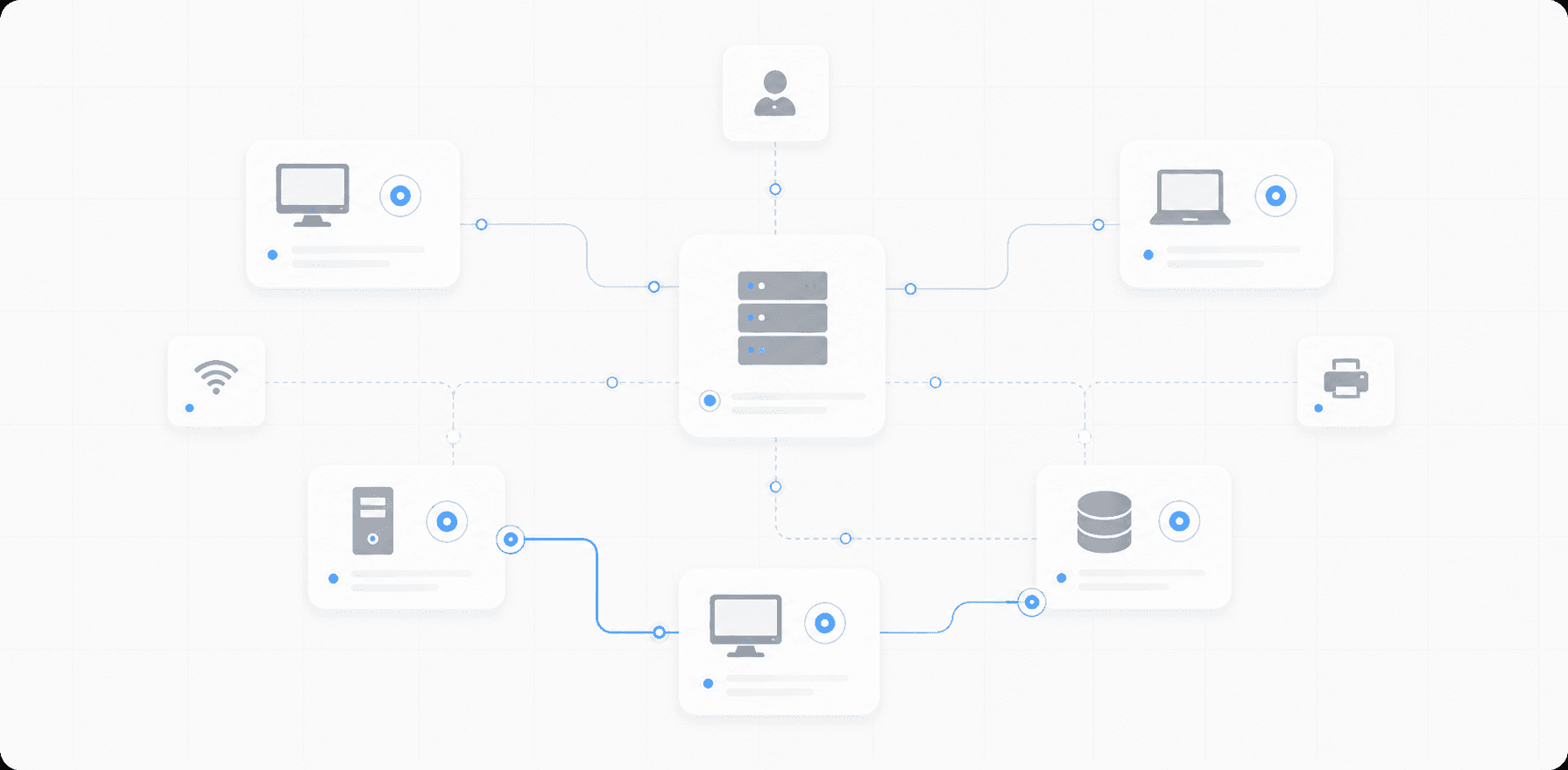
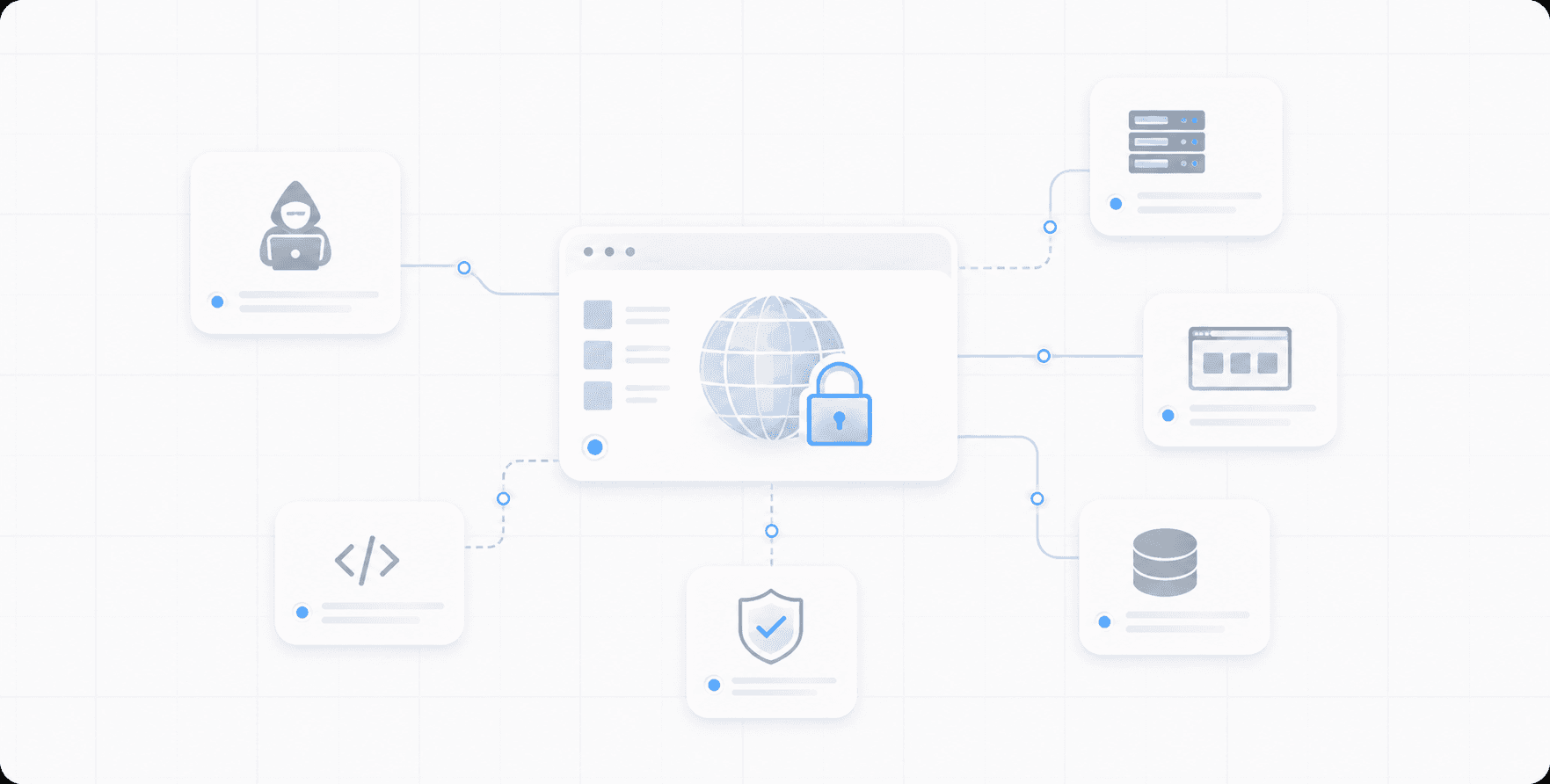
Healthcare is the most expensive industry for data breaches, averaging $7.42 million per incident in 2025, and the reason isn’t complicated. A stolen credit card gets canceled in days. A stolen medical record (Social Security number, diagnosis history, insurance details, prescription data) retains its value on the black market for years, which is exactly why attackers target it so aggressively. It’s not abstract risk either. 99% of hospitals are running devices with known, exploited vulnerabilities somewhere on their network right now, and the average healthcare breach takes 279 days to identify and contain (that’s a long time for an attacker to sit inside a network that touches patient care). We test healthcare environments the way an attacker approaches them via patient portals, connected medical devices, EHR systems, and third-party vendors.
Healthcare environments rarely struggle because of one major vulnerability. More often, it’s a collection of small gaps that create bigger opportunities. We commonly look into:
We test both the applications your patients and staff use and the infrastructure behind them, following the same PTES and OWASP-based methodology we apply everywhere, adjusted for healthcare’s specific risk. Many clinical and IoT medical devices can’t tolerate aggressive automated scanning without risking disruption to patient care.
When connected medical devices are in scope, we approach testing with the same caution we apply to industrial control systems. They’re deliberate and scoped in direct coordination with your clinical and IT teams, never at the expense of systems that need to stay online.
HIPAA’s Security penalties range from $145 to over $2.19 million per violation depending on culpability, and OCR’s enforcement has only expanded, now requiring organizations to prove they’ve acted on identified risks. Our healthcare cybersecurity services build every engagement around the HIPAA Security Rule’s technical safeguards, so the report you receive isn’t a separate exercise from your compliance program but evidence for it.




Patient records are valuable. Patient care is invaluable. Let’s identify the weaknesses that matter before they interrupt either.
FAQs
Can you test our systems without risking downtime for critical patient care equipment?
Our system combines speed, flexibility, and powerful automation tools into one seamless workflow designed for modern teams.
Will we receive documentation that satisfies our HIPAA Risk Analysis requirements?
Our system combines speed, flexibility, and powerful automation tools into one seamless workflow designed for modern teams.
We rely heavily on third-party vendors; does that fall under this testing?
Our system combines speed, flexibility, and powerful automation tools into one seamless workflow designed for modern teams.