


Government
Baltimore Didn’t Pay the Ransom. It Still Cost Them $18 Million.
Government agencies have become one of the most heavily targeted sectors in cybersecurity, and the numbers back it up in an uncomfortable way. State and local governments paid the highest median ransom ($2.5 million) of any sector tracked in 2025, and when ransomware does hit a government network, it results in encrypted data nearly every time. Even agencies that refuse to pay don’t escape the cost. Baltimore spent between $10 and $18 million recovering from a 2019 ransomware attack it never paid a ransom for; Atlanta spent roughly $17 million doing the same. State and local ransomware attacks jumped 65% in early 2025 alone, and a growing share now arrive through a third party (a vendor, a contractor, a shared IT provider) rather than a direct hit on the agency itself. Attackers target government because disrupting a city’s systems creates enormous pressure to pay, fast, and the sensitive citizen data behind those systems is worth exploiting either way.
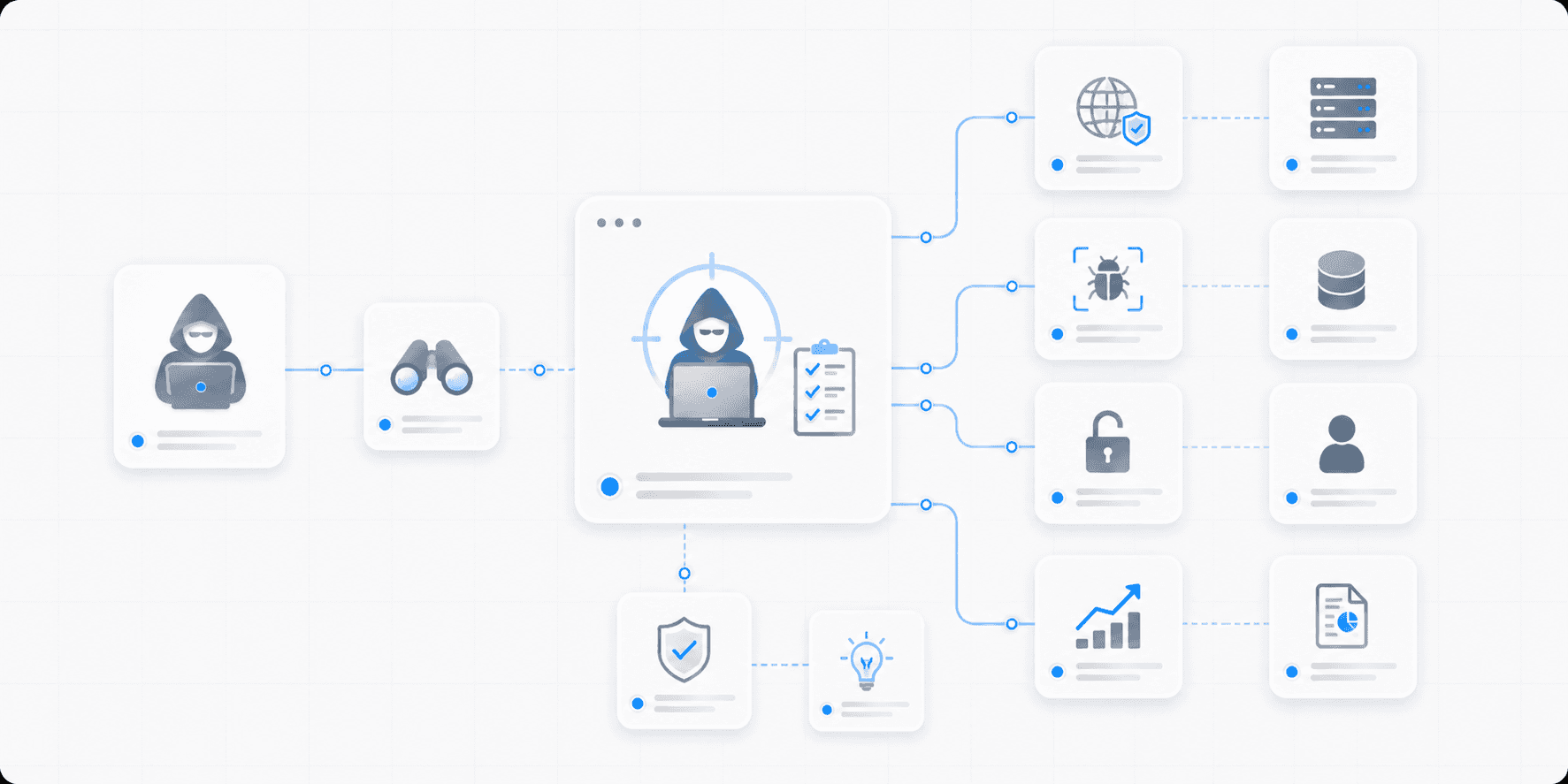
Here’s what we usually assess during government penetration testing:
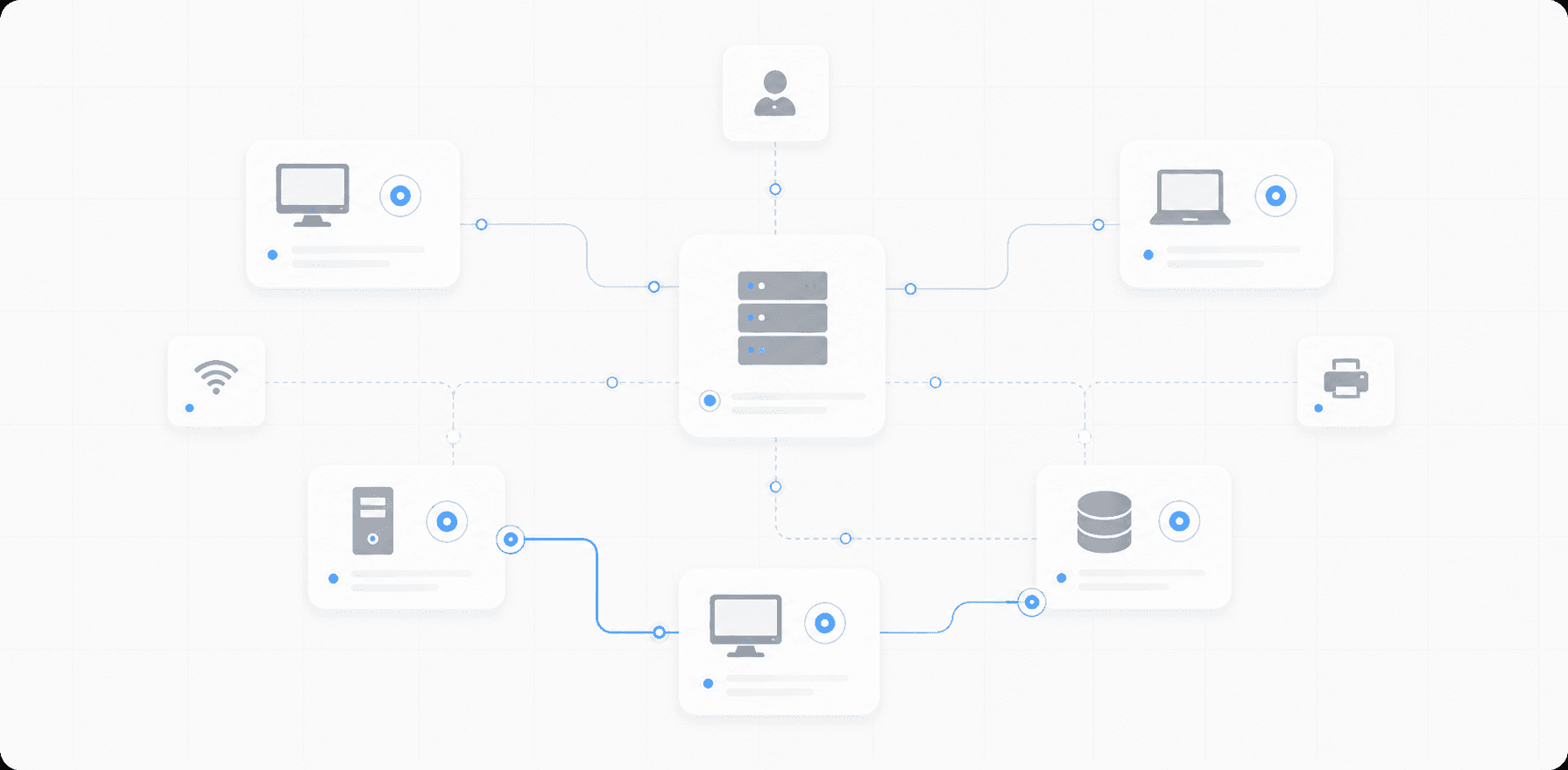
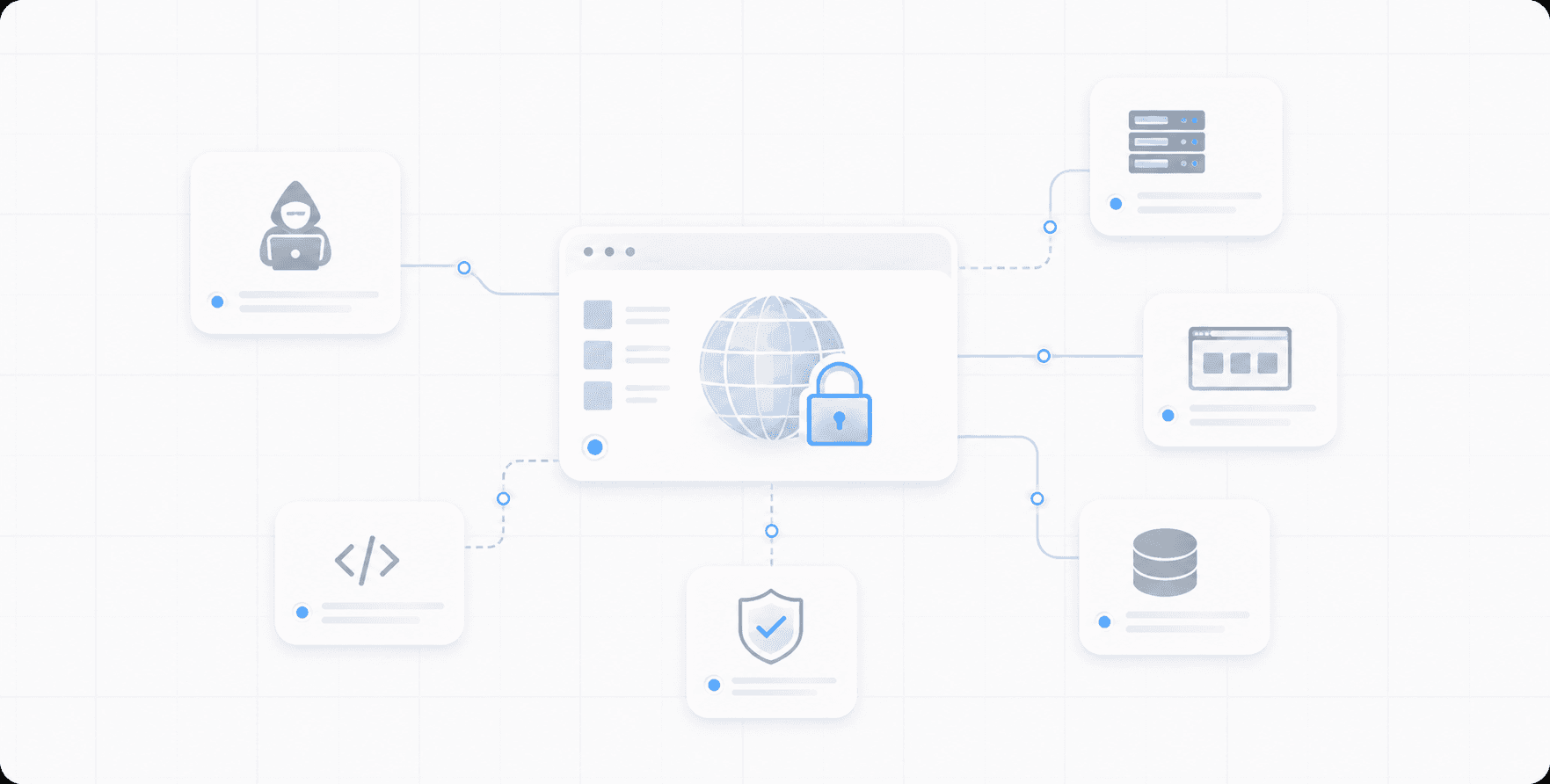
We test your external-facing infrastructure and citizen portals the way an attacker approaches them via authentication weaknesses, exposed services, or misconfigurations. Our team combines it with internal network testing to determine what happens if an attacker gains a foothold anywhere in your environment, including through the vendor and contractor access points that increasingly serve as the entry point in real government breaches.
Given the operational sensitivity of many government systems (public safety, court records, benefits processing), testing is scoped and coordinated carefully around what your agency can and cannot afford to have disrupted.
Government agencies typically operate under a layered set of requirements. These include NIST 800-53 for federal systems, NIST 800-171 for those handling controlled unclassified information, FedRAMP for cloud services, CJIS for anything touching criminal justice data, and state-specific mandates on top of all of it. We tailor every engagement to whichever frameworks govern your agency. The goal of our government cybersecurity services is to satisfy an audit, a grant requirement, or a state mandate.



Your residents trust you with their data. Let’s make sure that trust is earned.
FAQs
How does this align with FedRAMP, CJIS, or state-specific requirements?
Our system combines speed, flexibility, and powerful automation tools into one seamless workflow designed for modern teams.
Can testing be done without disrupting public-facing or public-safety systems?
Our system combines speed, flexibility, and powerful automation tools into one seamless workflow designed for modern teams.
What’s the real argument for testing now instead of waiting for the next budget cycle?
Our system combines speed, flexibility, and powerful automation tools into one seamless workflow designed for modern teams.