


Critical Infrastructure
Every Critical Infrastructure Has An Expiration Date. Security Extends It.
Critical infrastructure carries a different kind of stake than almost any other sector. When something fails here, it doesn’t stay contained to a spreadsheet or a stock price. For example, in 2025, roughly half of all ransomware attacks targeted critical infrastructure sectors (manufacturing, energy, transportation, water, and healthcare among them). In July 2026, a coordinated cyberattack disrupted water and wastewater systems across more than 30 Minnesota communities, closely following a federal advisory warning that state-linked actors were actively exploiting exposed industrial controllers across U.S. infrastructure. These attacks increasingly target the unglamorous entry points nobody thinks to lock down (like a default password left on an internet-exposed controller, a remote access tool nobody audited) because attackers have learned that infrastructure environments are often easier to reach than they are to defend.
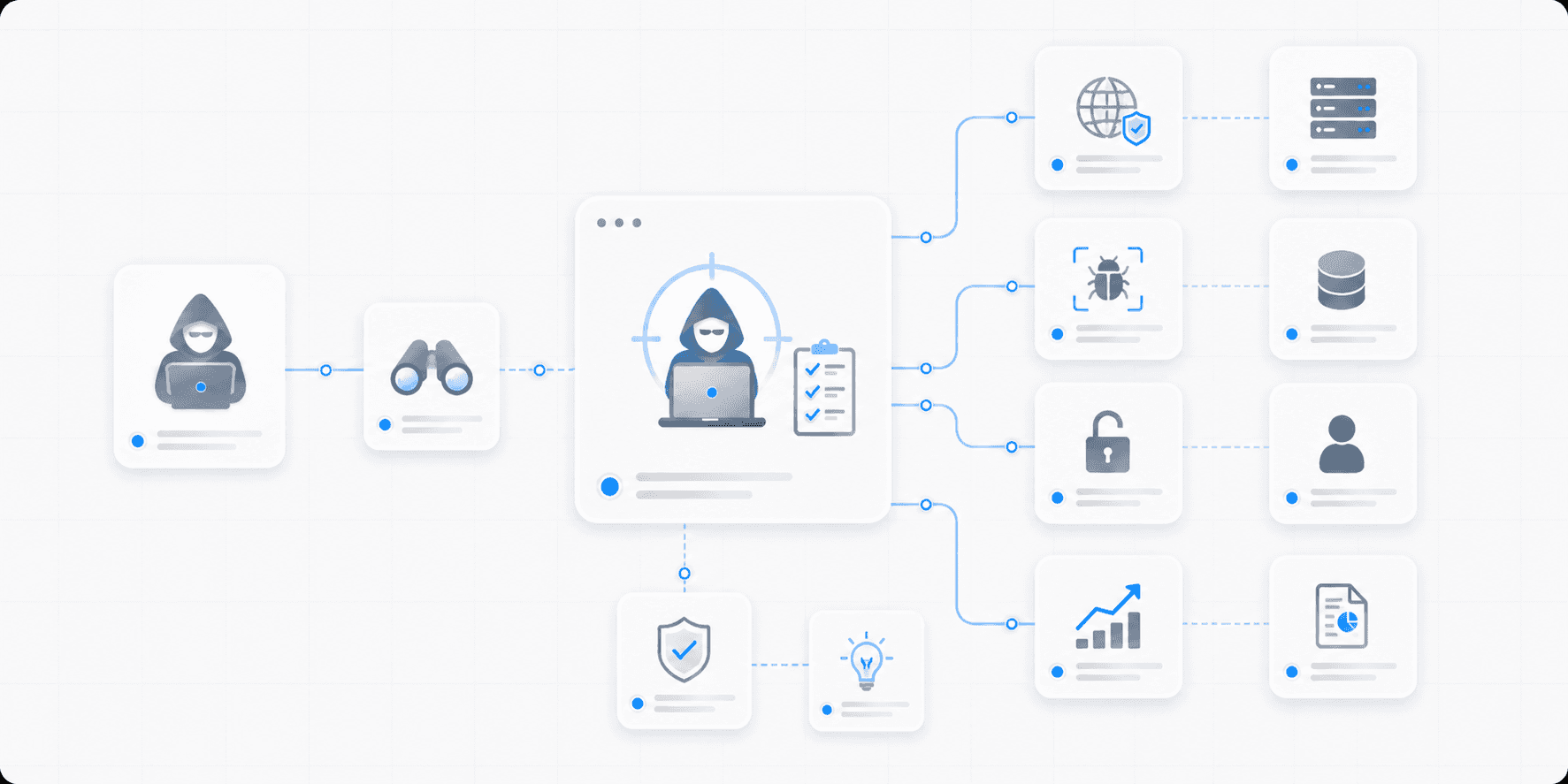
During industrial penetration testing, the areas we typically pay attention to include:
MageByte’s critical infrastructure cybersecurity services assess your corporate IT environment with the same rigor we’d apply anywhere, and we approach your operational technology with the deliberate caution these environments require. That is, industrial controllers and OT systems can’t absorb the kind of aggressive scanning that’s routine on a standard network without risking a real-world disruption.
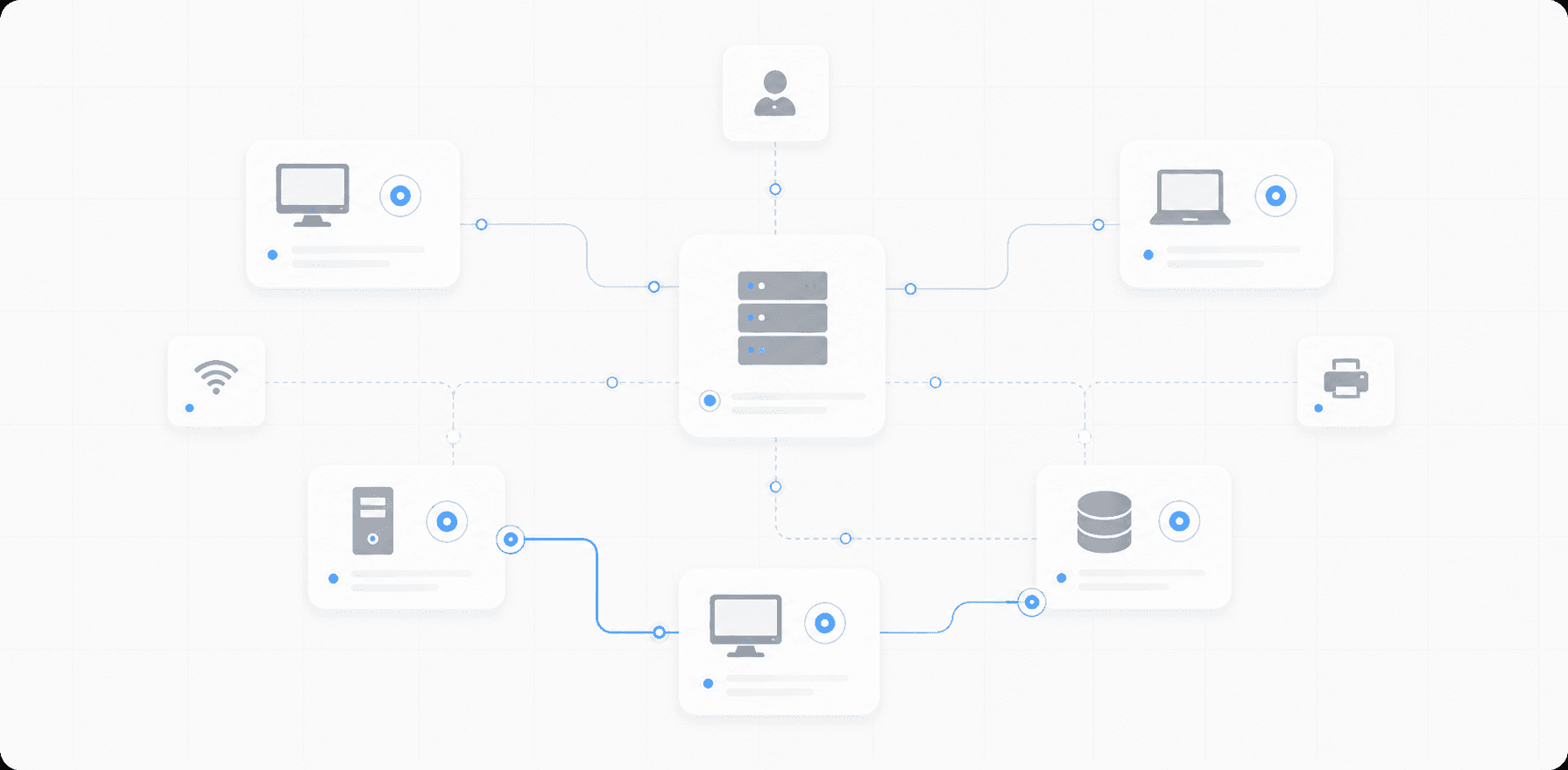
Industrial penetration testing typically begins with architecture review and passive analysis, moves to carefully scoped and coordinated active testing only where appropriate, and always includes a direct test of IT/OT segmentation. The question we’re really answering is, if an attacker compromised your corporate network today, exactly how far could they get toward the systems that control physical operations?
Depending on your specific sector, you may be governed by NERC CIP, sector-specific CISA guidance, NIST CSF, IEC 62443 for industrial control systems, or a combination of federal and state requirements layered on top of each other. We structure every engagement around the frameworks that apply to your organization, so the documentation you receive holds up under scrutiny from regulators and auditors who expect it to align with a recognized standard.




The best time to discover a weakness is before it becomes everyone else’s problem.
FAQs
Will testing our OT/industrial control systems risk causing an actual disruption?
Our system combines speed, flexibility, and powerful automation tools into one seamless workflow designed for modern teams.
We’re a smaller operator, not a major utility; are we really a target?
Our system combines speed, flexibility, and powerful automation tools into one seamless workflow designed for modern teams.
Do you test the boundary between our corporate network and our operational systems?
Our system combines speed, flexibility, and powerful automation tools into one seamless workflow designed for modern teams.